Four bodies of work, one underlying question.
Across leadership, innovation, monitoring, and adjacent fields, the work converges on one inquiry: how do places build the structural capacity to learn, adapt, and improve over time?
Publications on leadership.
Research on leadership explores the critical role of urban leadership in driving positive change — how effective leadership can transform places, organisations, and their capabilities to adapt to the complex challenges of our time.
Publications focus on the interconnectedness of leadership, governance systems, stakeholder engagement, and monitoring and evaluation — and how these factors influence a city's ability to become resilient in the face of social and environmental change.
Transforming cities, transforming lives.
View leadership publications
Publications on innovation ecosystems.
Research focused on understanding the dynamics of innovation ecosystems — from their formation and measurement to their impact on urban and regional competitiveness. Through advanced data analysis and in-depth case studies, this work explores the factors that contribute to the success of innovation districts and place-based innovation.
The publications also examine the role of emerging technologies in shaping these ecosystems. By examining the intersection of technology, policy, and urban development, the research offers insights for policymakers in creating thriving innovation ecosystems that benefit communities worldwide.
Unlocking the power of innovation.
View innovation publications
Publications on monitoring & evaluation.
Measuring the success of place-based innovation ecosystems is essential for driving continuous improvement. This research focuses on the development and evaluation of effective monitoring and evaluation systems for place-based research and innovation strategies.
By analysing real-world case studies, the work explores how these systems can support policy learning, inform future policy decisions, and contribute to achieving sustainable development goals — particularly in contexts where institutional capacity to learn from policy outcomes is itself the bottleneck.
Measuring innovation success.
View monitoring publications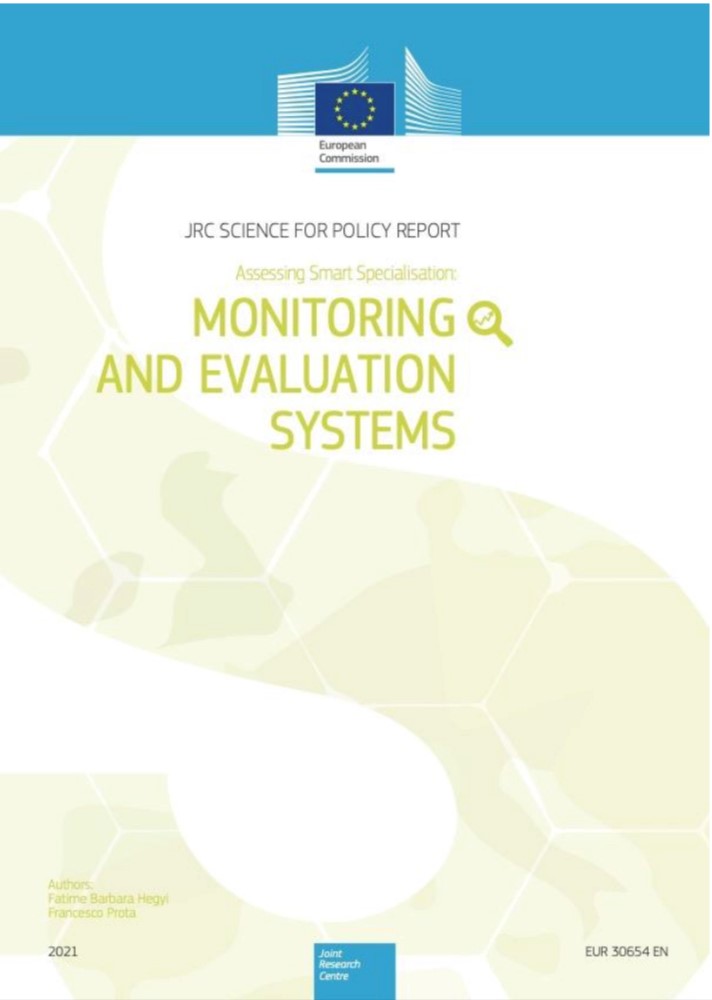
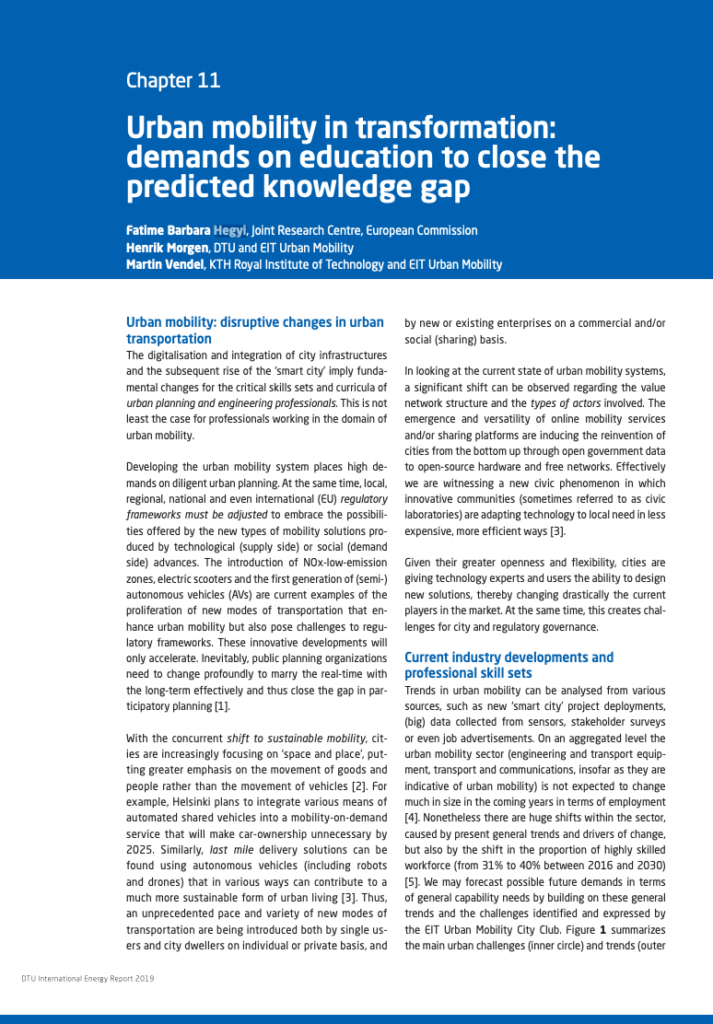
Other publications.
A broader collection of publications across diverse fields — from artificial intelligence and emerging technologies, to identification of reference regions, university-industry connectivity, urban mobility, and regional cooperation.
These publications focus on major opportunities and challenges shaping our world today — and on the cross-disciplinary connections between innovation, technology, and place that don't fit neatly into a single research silo.
Innovation and beyond.
View other publications